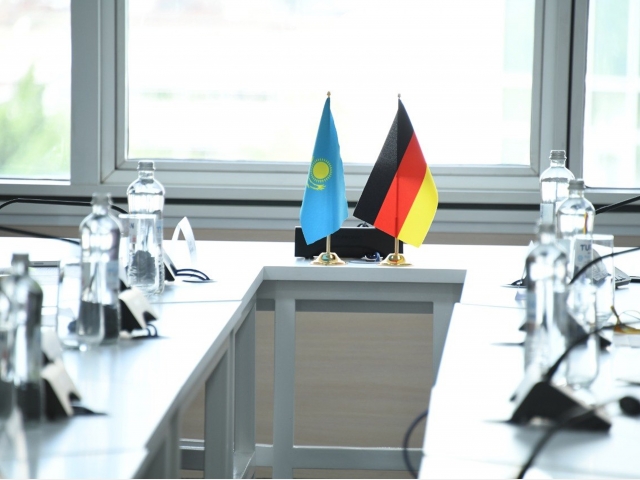
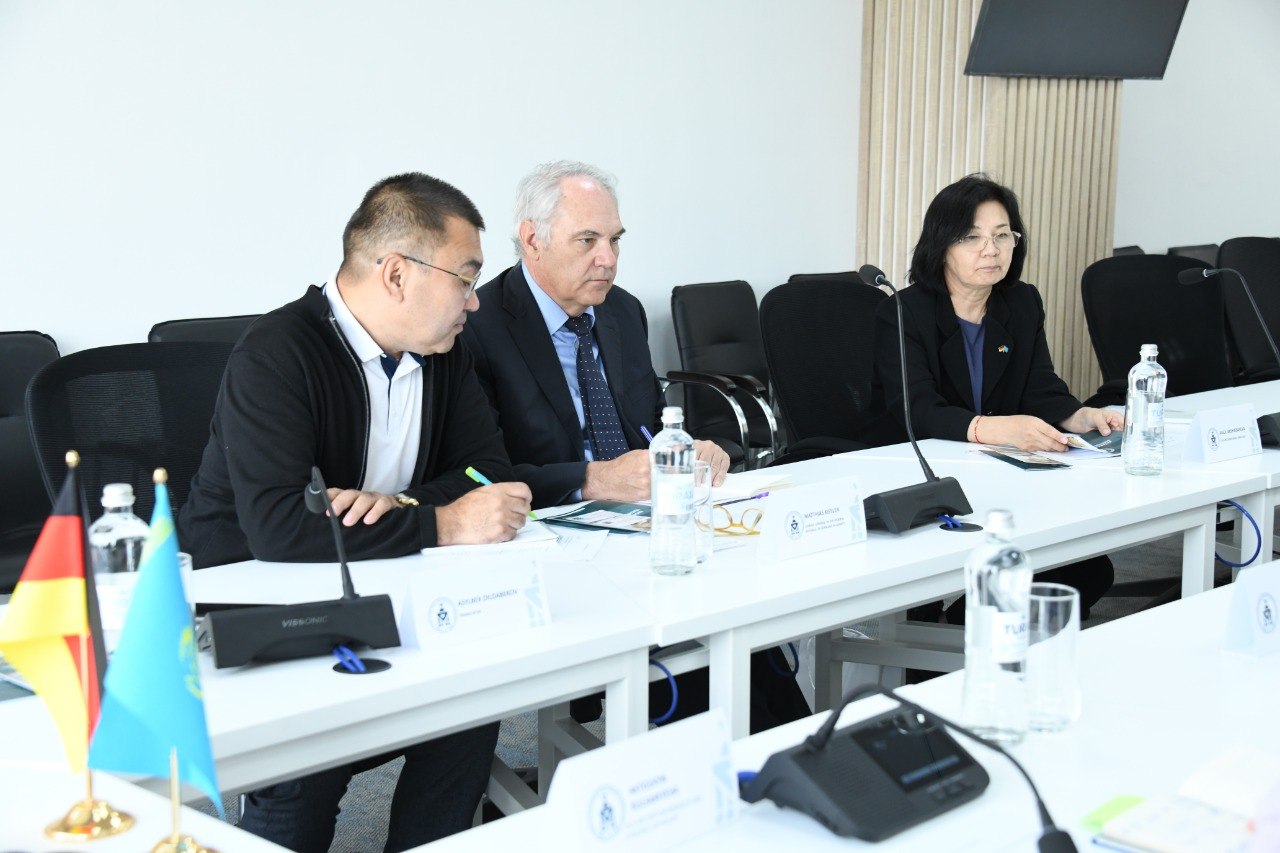
An official meeting with representatives of the General Consulate of the Federal Republic of Germany in Almaty was held at the Kazakh National Women's Teacher Training University.
The purpose of the event was to strengthen ties between the two states in the field of higher education and science, as well as to consider new international opportunities for QyzPU students and teachers.
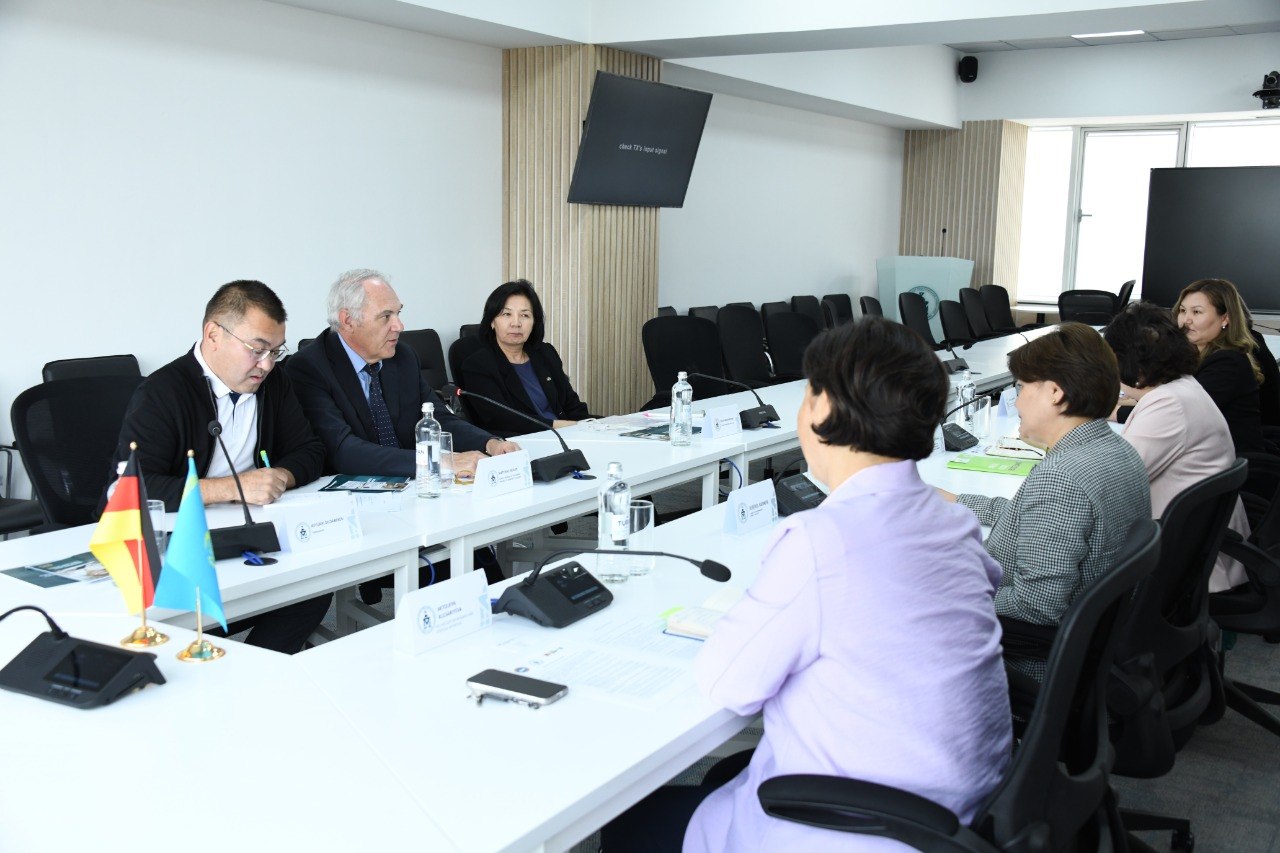
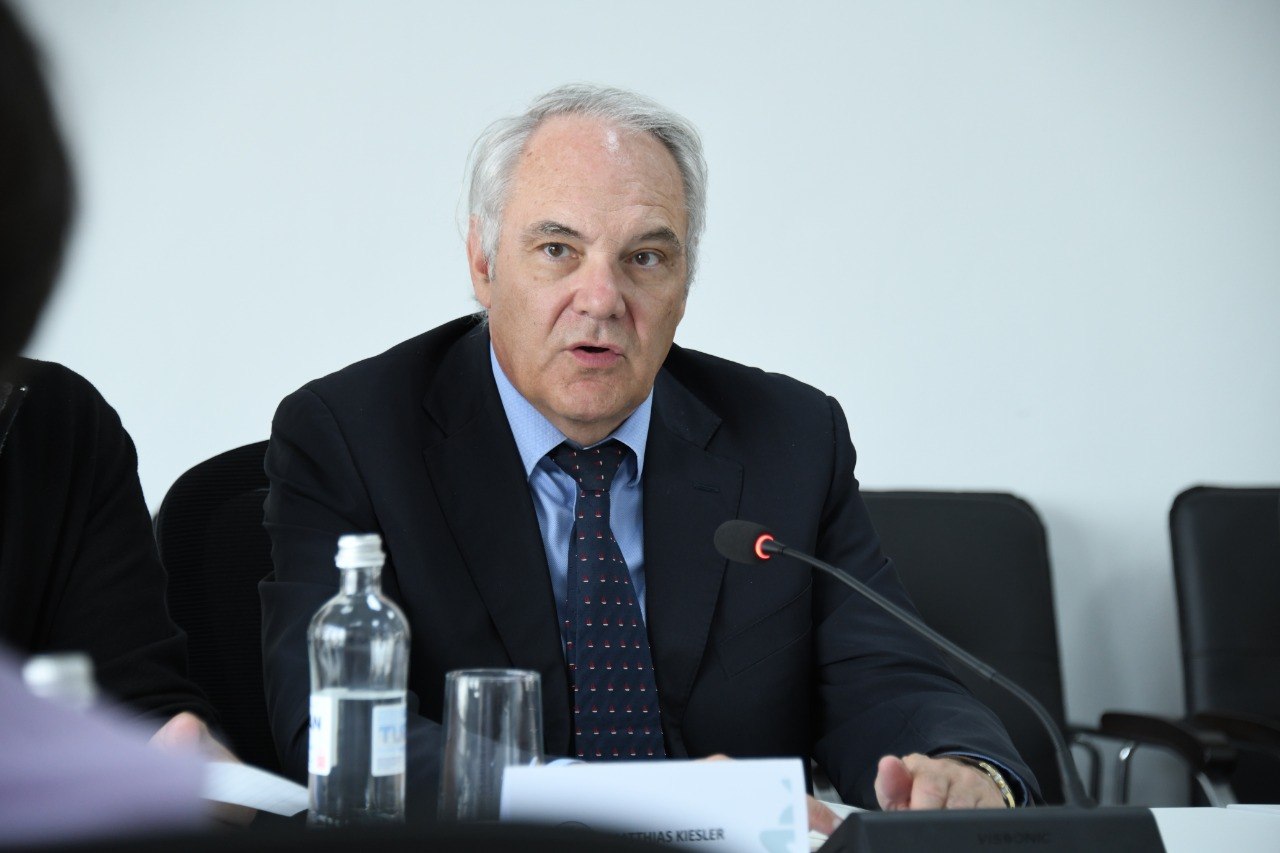
From the German side, the meeting was attended by Consul General Matthias Kiesler and Representative of the Culture Department Aigul Akshabayeva.
During the meeting, the Chair of the Managing Board – Rector of the university Karimova Beybitkul Sarsemkhanovna, while welcoming the honored guests, highlighted the role of QyzPU, which has a history of over 80 years, as a unique specialized university in Central Asia. She noted that Germany is a leading nation in science and innovation, as well as an important academic partner for Kazakhstan in Europe. In this regard, she mentioned that DAAD programs and the activities of the Goethe-Institut play a major role in strengthening international ties. Furthermore, the Rector stated that developing international academic mobility is a priority and expressed interest in implementing dual-degree programs with German higher education institutions, training German language teachers, and expanding joint scientific research in the fields of inclusive education, artificial intelligence, EdTech, and women's leadership.
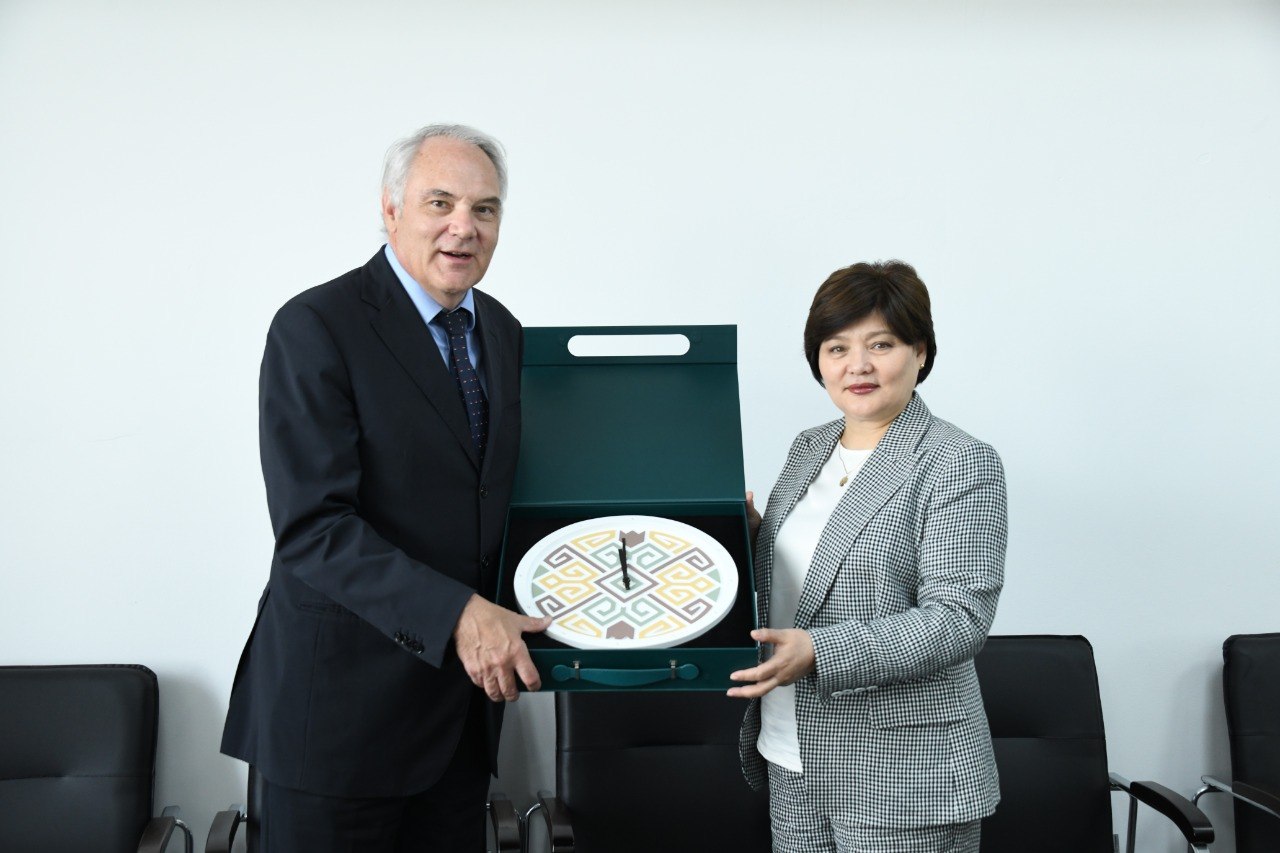
In conclusion, she stated the great importance of the IV International Central Asian Forum "Deutsch in Zentralasien: Bildung, Innovation und Kooperation," which will be hosted by the university in 2026.
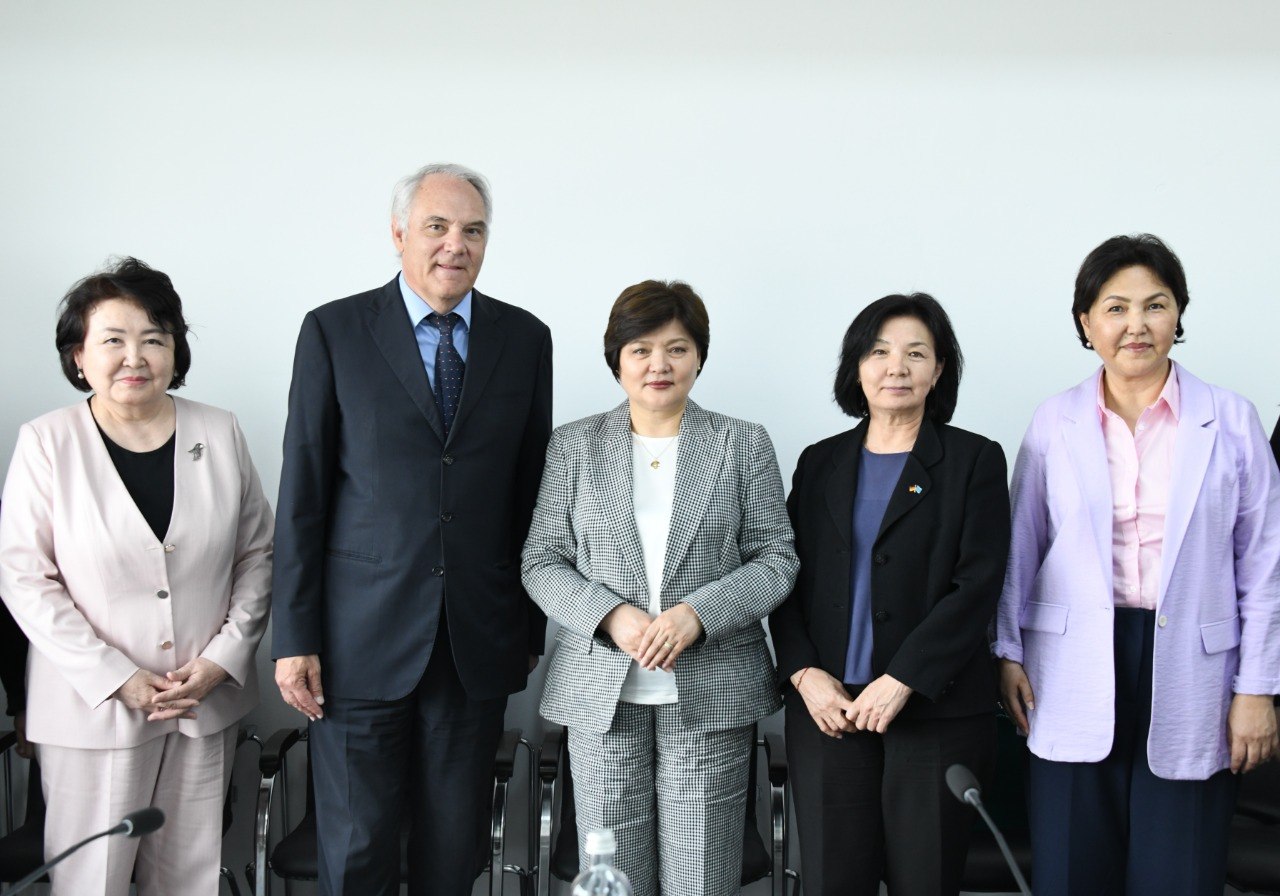
Consul General Matthias Kiesler, in turn, expressed the German side's willingness to support pedagogical education in Kazakhstan. He noted that joint initiatives in education and culture would not only raise the scientific potential of both countries but also contribute to the professional adaptation of students to the global market.
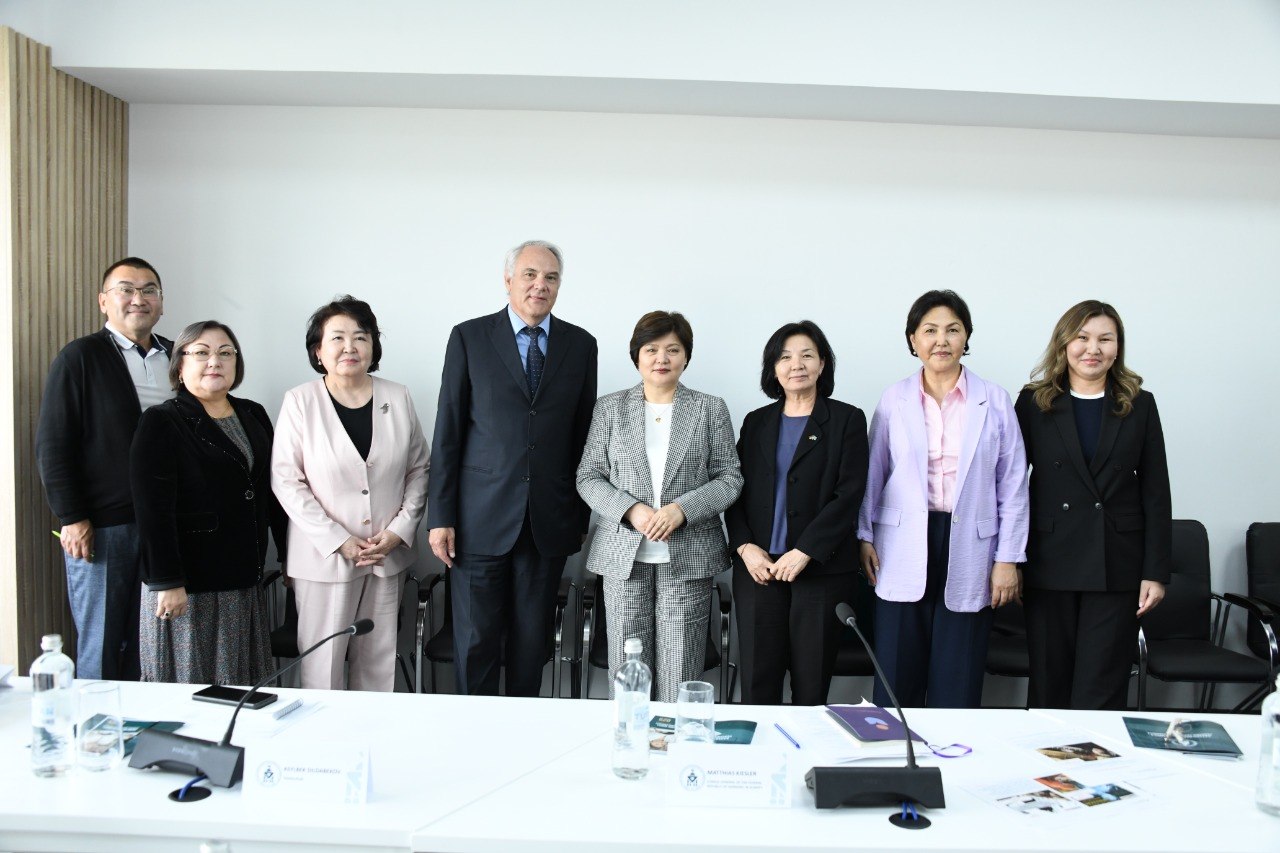
At the end of the meeting, the participants confirmed their readiness to practically implement bilateral cooperation and approved the importance of raising the partnership in scientific, educational, and cultural directions to a new level.