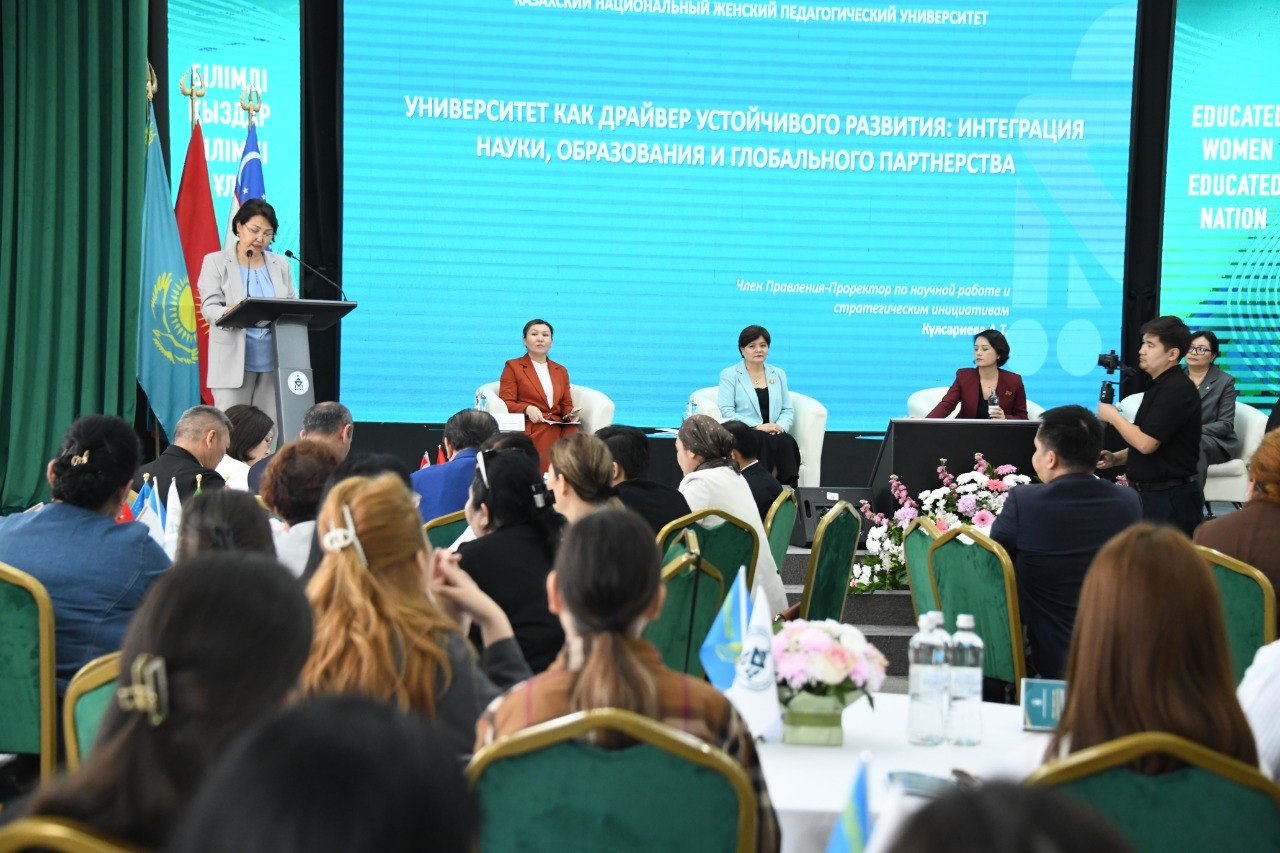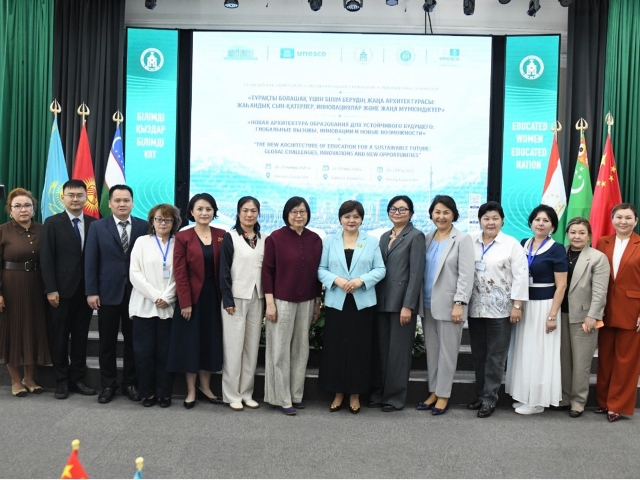
Within the framework of the International Festival "School – University – Market: A New Architecture of Education" held at the Kazakh National Women's Teacher Training University, an International Symposium titled "A New Architecture of Education for a Sustainable Future: Global Challenges, Innovations, and New Opportunities" was organized with the participation of Kazakhstan, China, Kyrgyzstan, Uzbekistan, and Tajikistan.
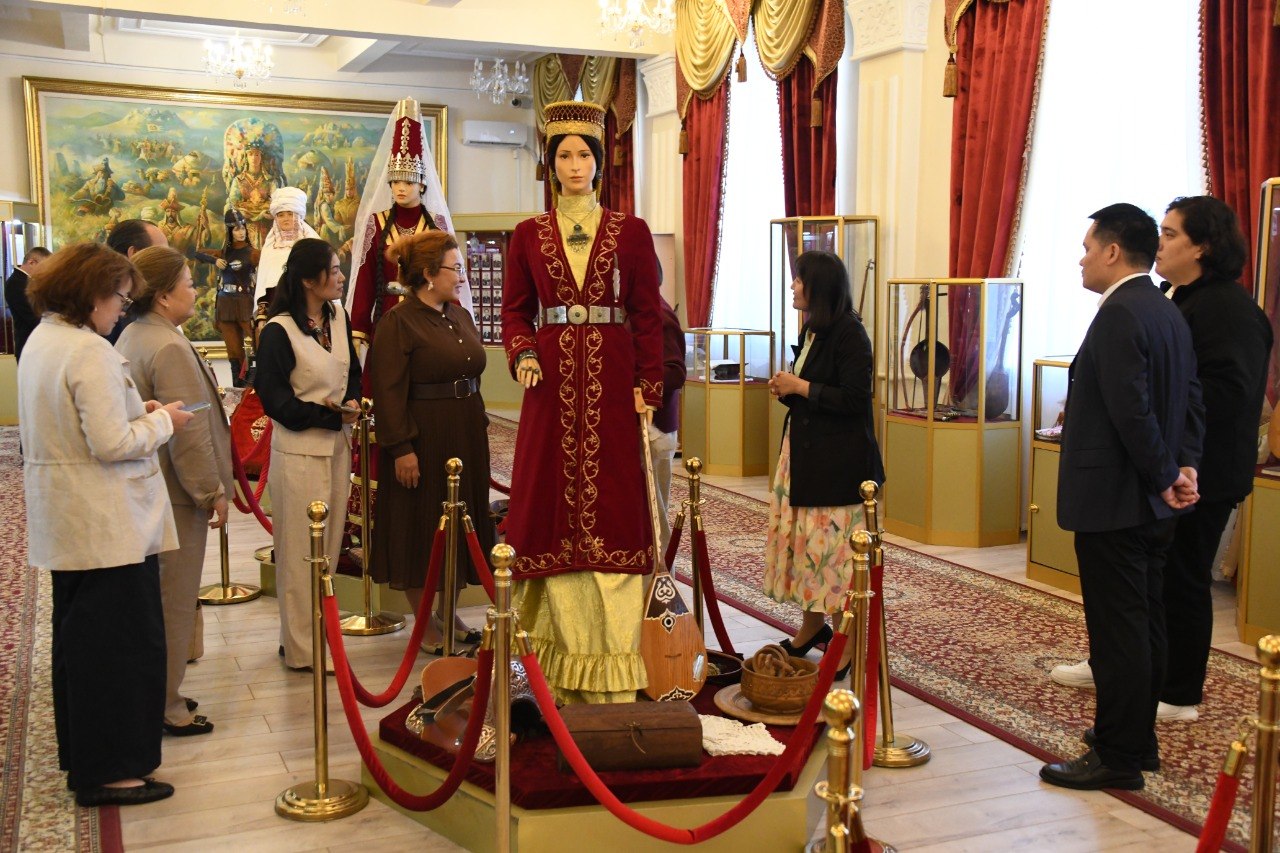
As a logical continuation of the international project "The Belt and Road Exchange," which launched in 2025 in Shanghai, this event was jointly organized by the Abai Kazakh National Pedagogical University, the UNESCO Regional Office in Almaty, the Teacher Training Center under the auspices of UNESCO, and Shanghai Normal University.
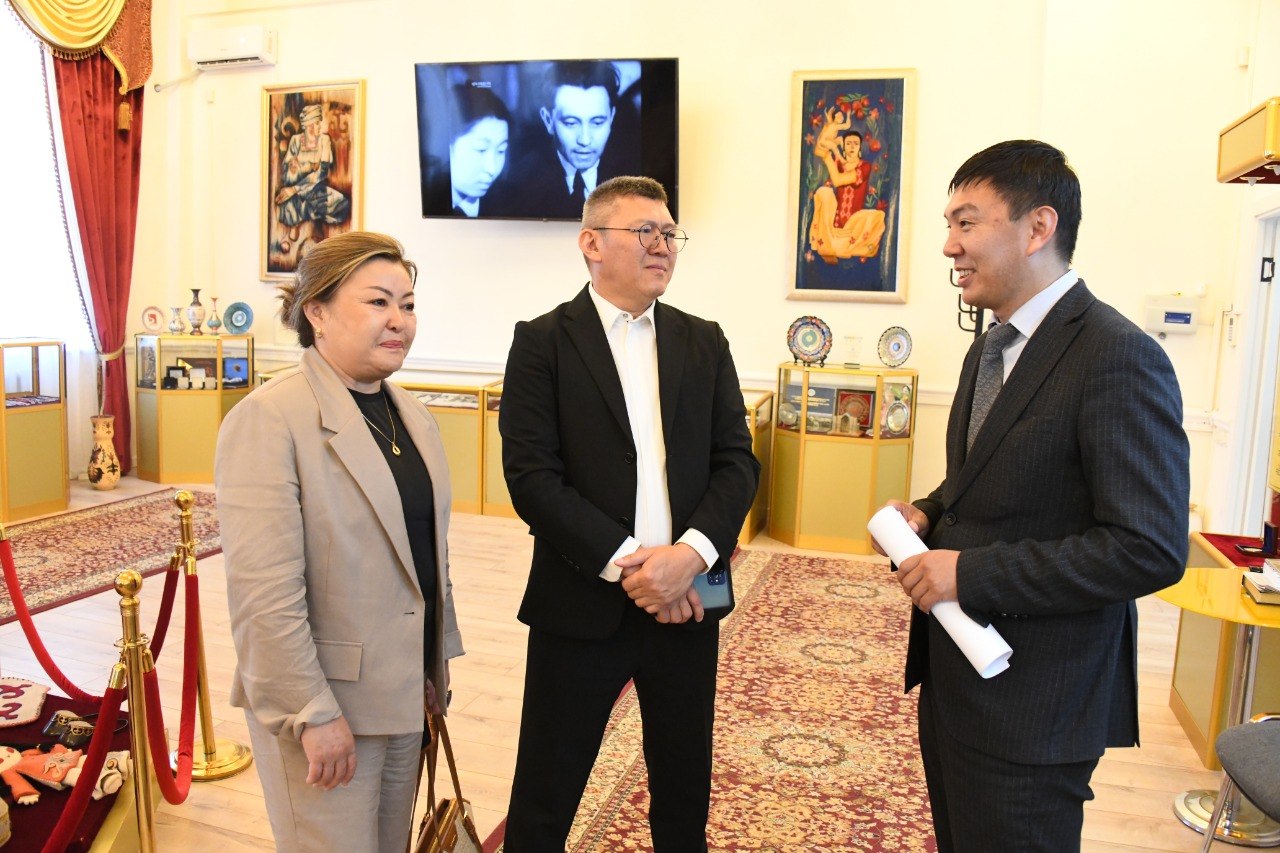
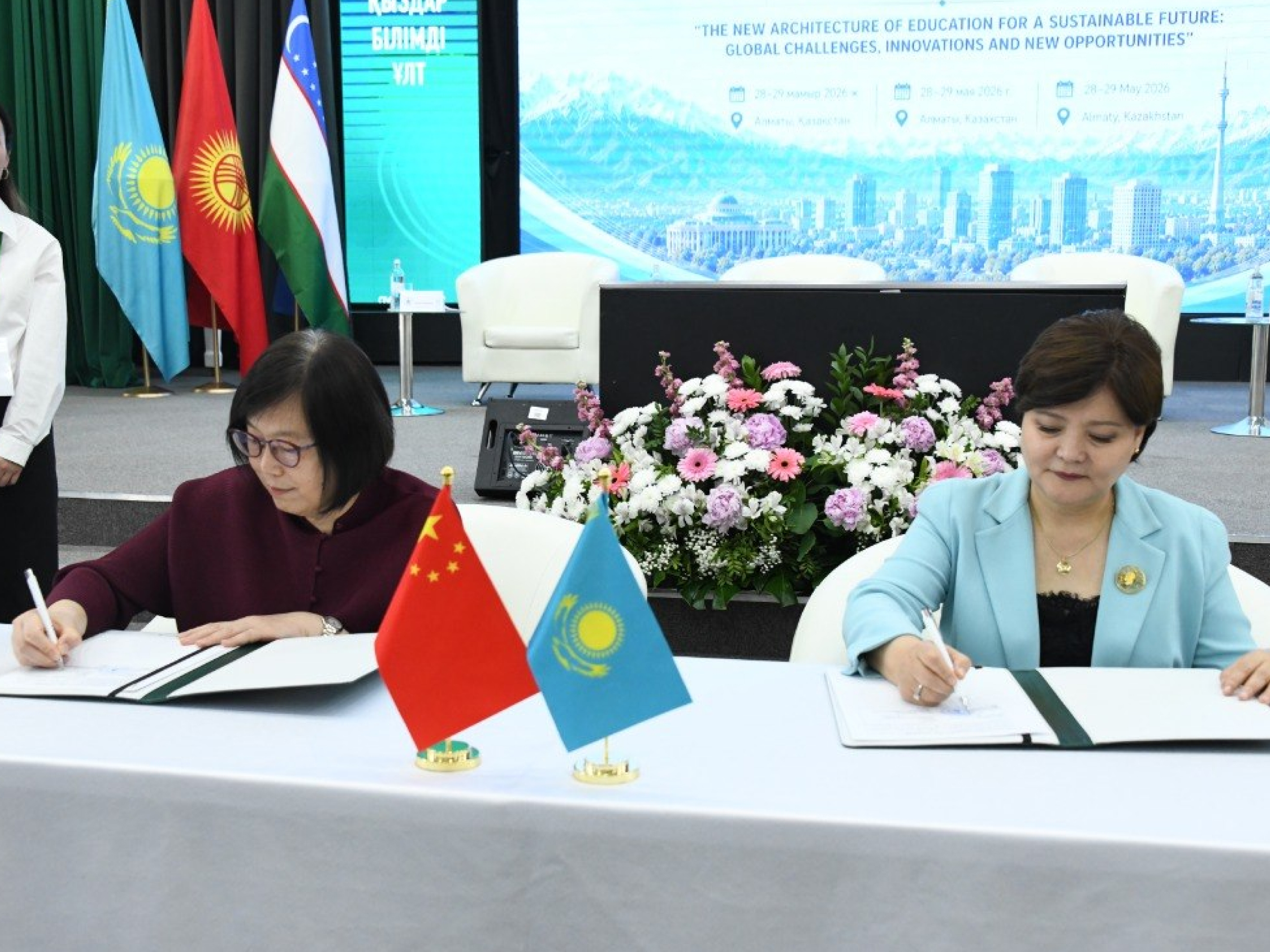
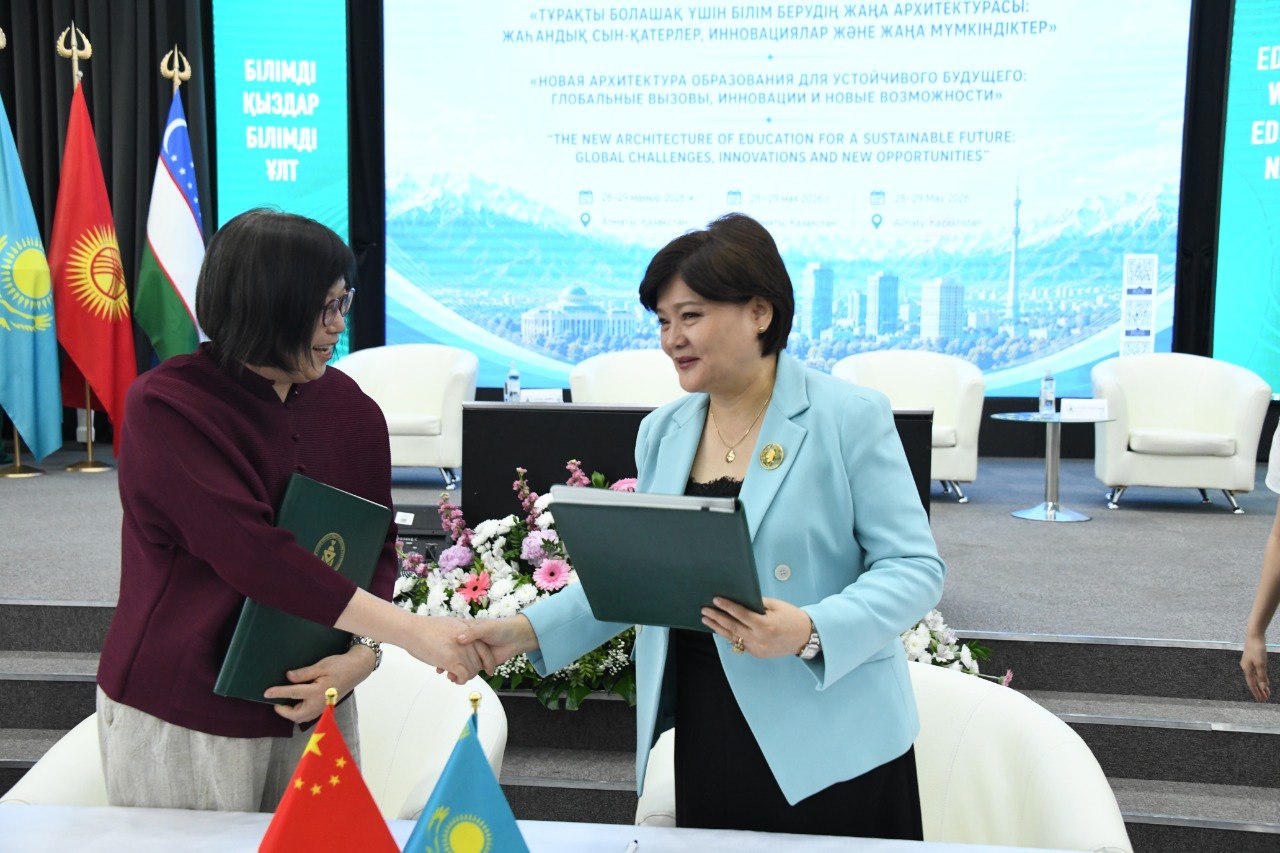
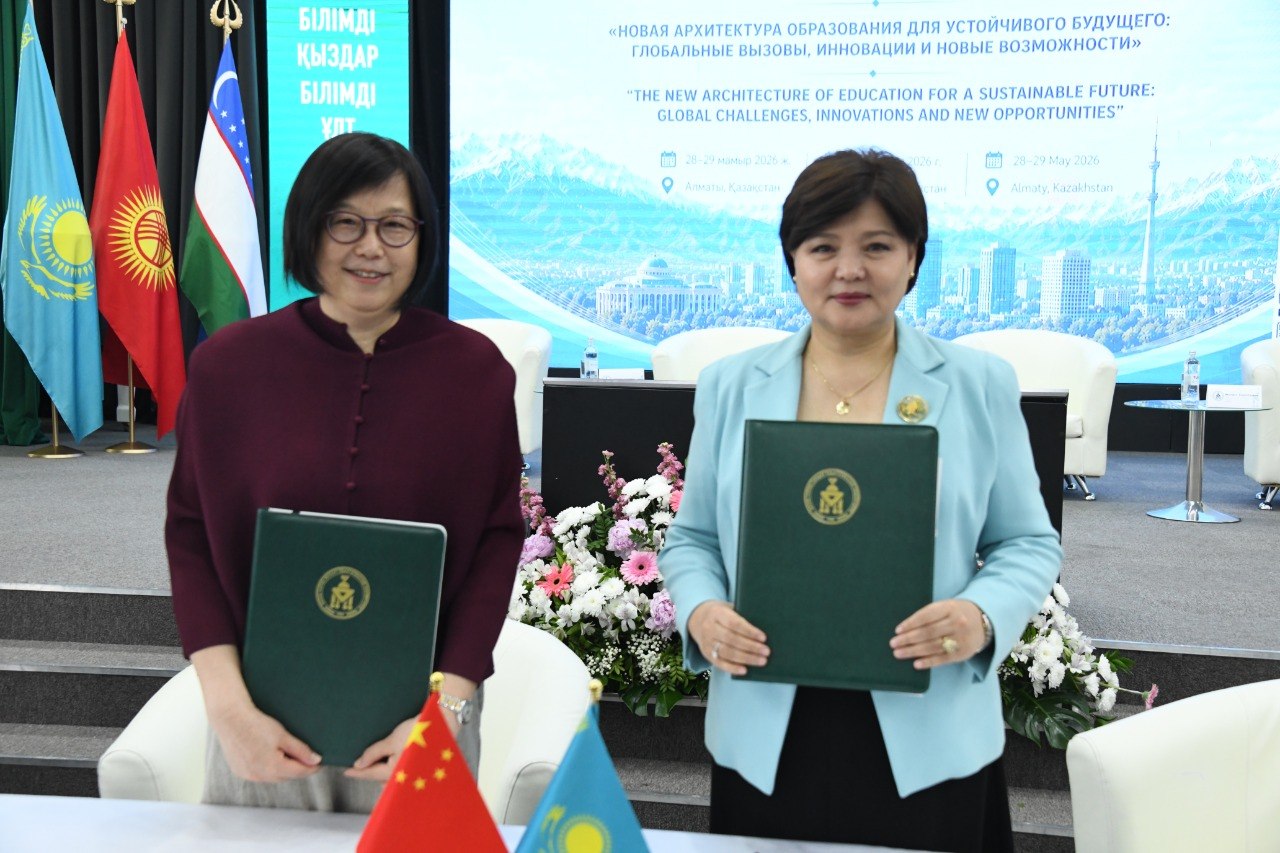
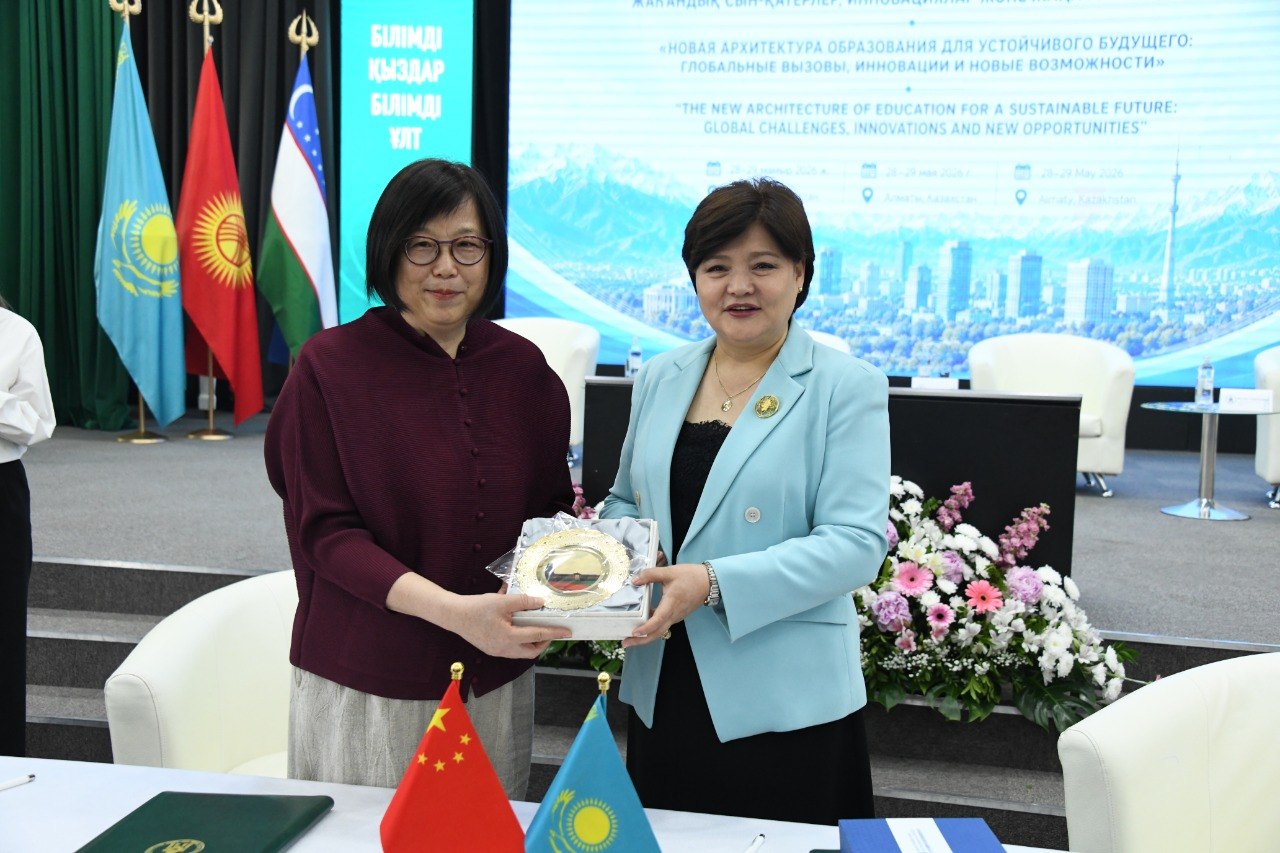
In the official part of the event, with the aim of developing international institutional partnership on a long-term basis, a Memorandum on International Cooperation was solemnly signed between the Kazakh National Women's Teacher Training University and the Center for Teacher Education under the auspices of UNESCO (PRC).
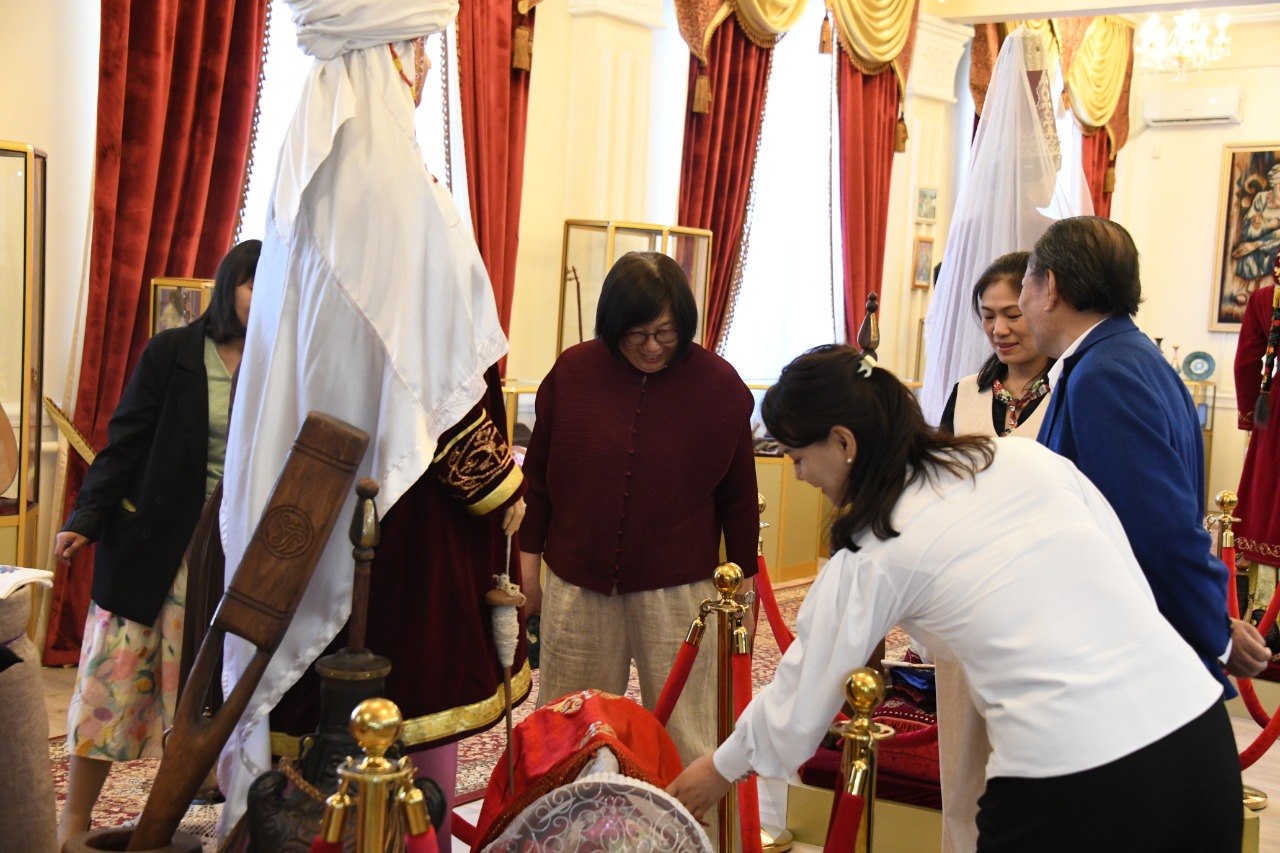
At the opening ceremony of the symposium, the Chair of the Managing Board – Rector of the Kazakh National Women's Teacher Training University, Beybitkul Karimova, highlighted the international significance of this agreement: "I express my sincere gratitude to our partners who have jointly established this important dialogue platform. In the current era of digital transformation and global changes, the education system is becoming a key factor for sustainable development, and in this process, a special role belongs to pedagogical universities that train qualified teachers who nurture the individual."
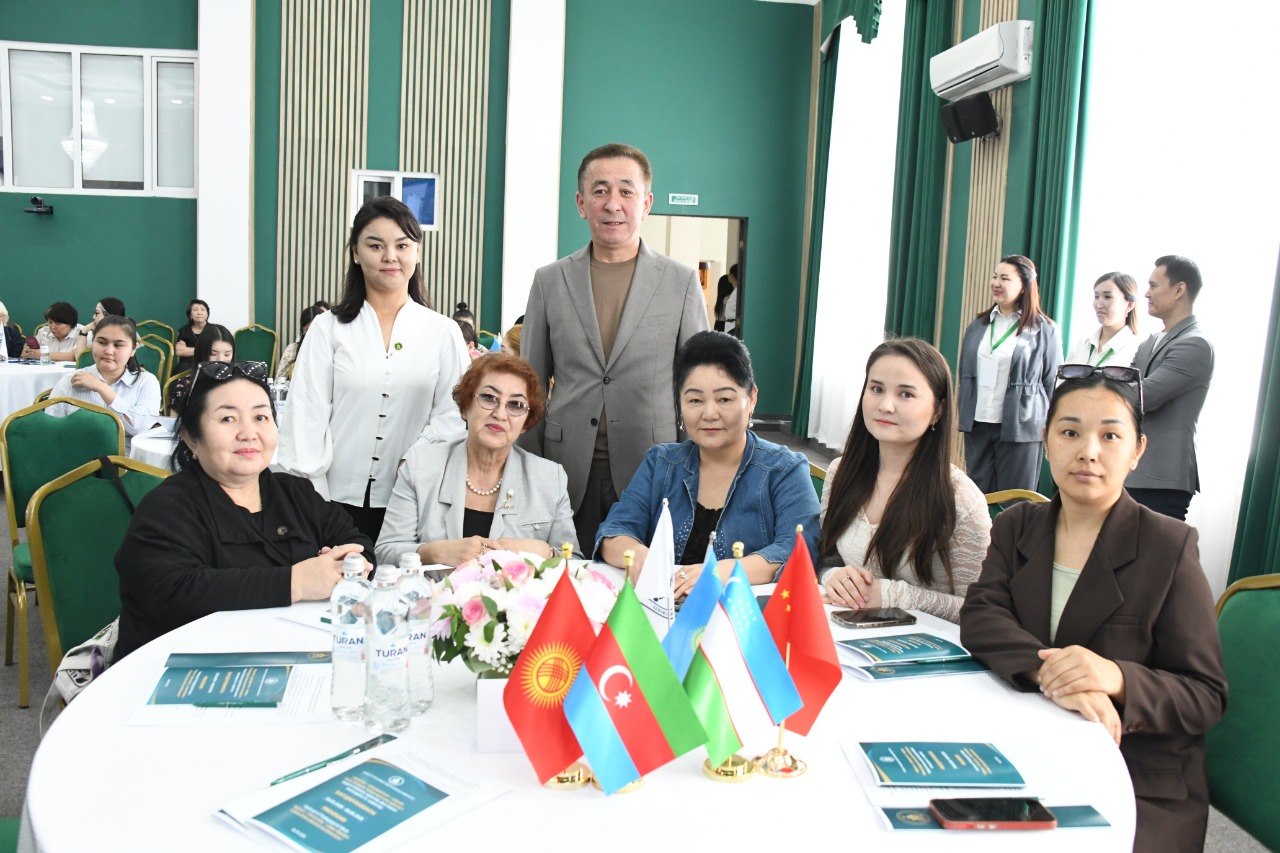
Following the solemn ceremony of signing agreements, the event continued with insightful reports from domestic and foreign professor-scientists arriving from India, Pennsylvania, Tajikistan, and Kyrgyzstan.
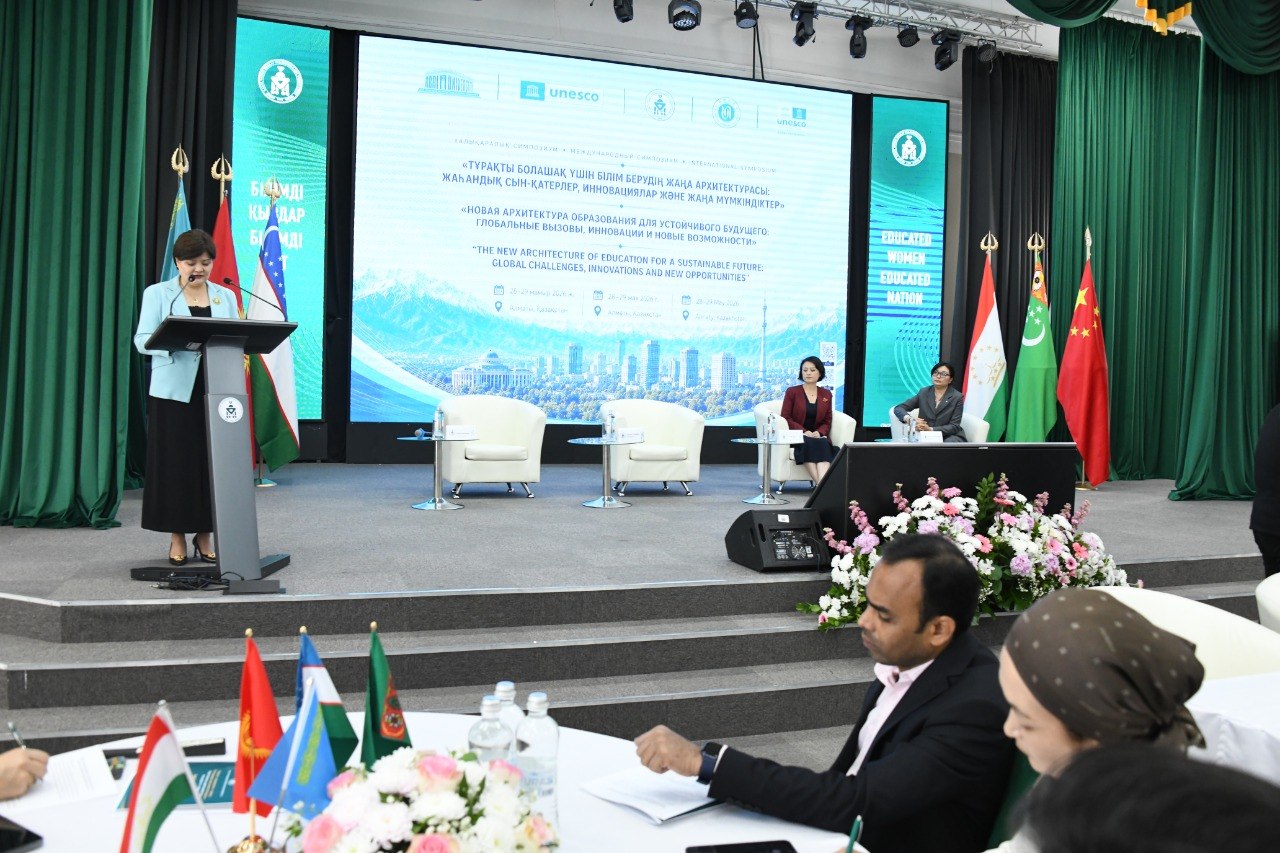
During the meeting, the participants made presentations on three relevant areas: artificial intelligence and the future of education, strategic resources of social-emotional learning, as well as prospects for climate education and sustainable development in higher education institutions of Central Asian countries and the PRC, and developed practical recommendations aimed at improving the quality of the pedagogical education system.