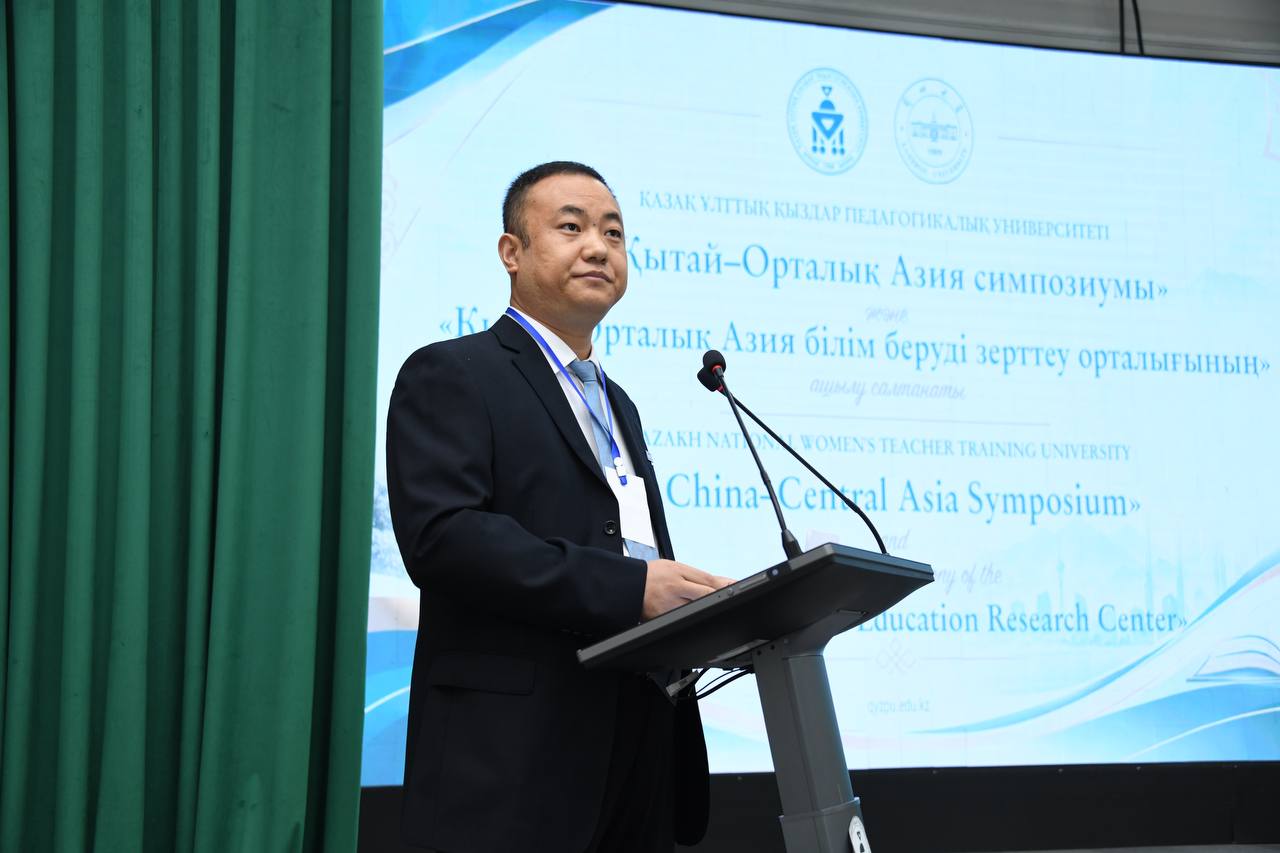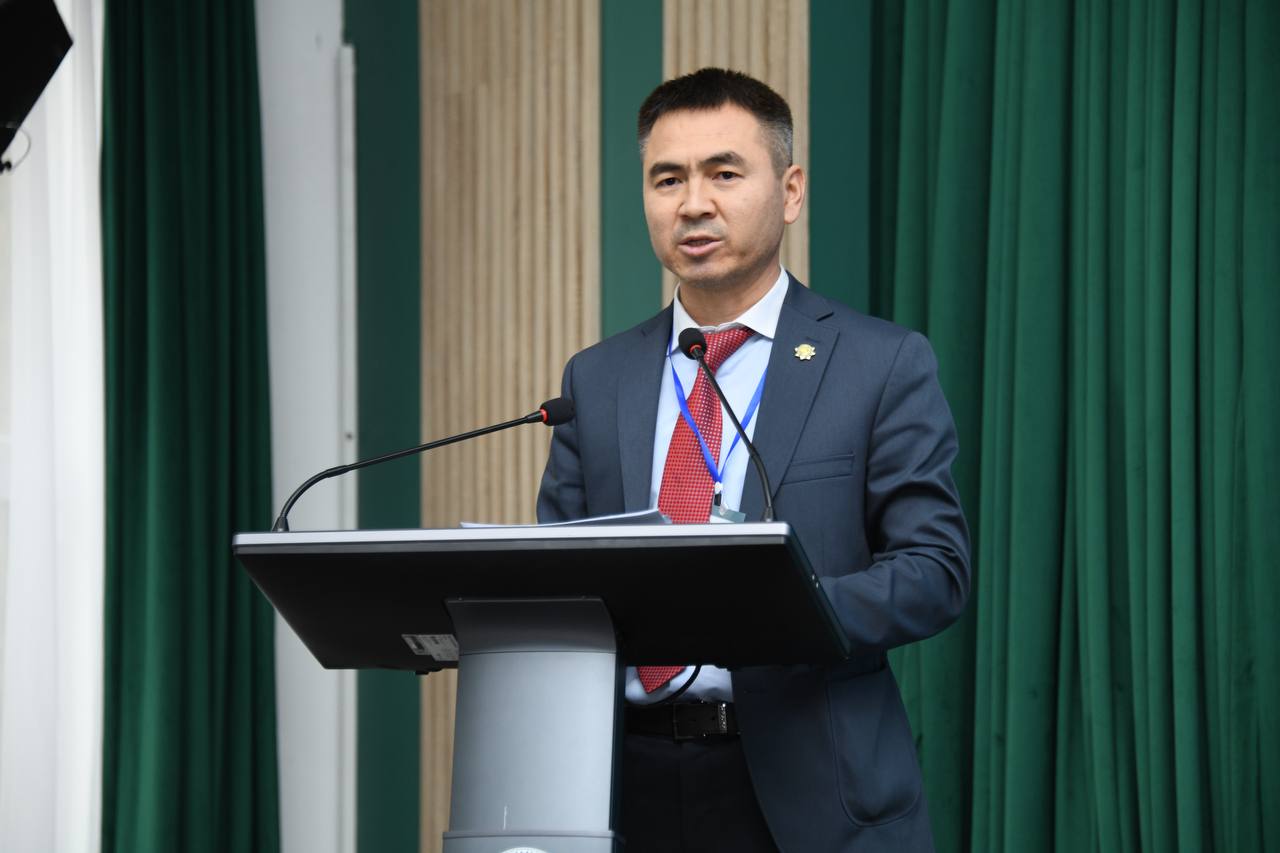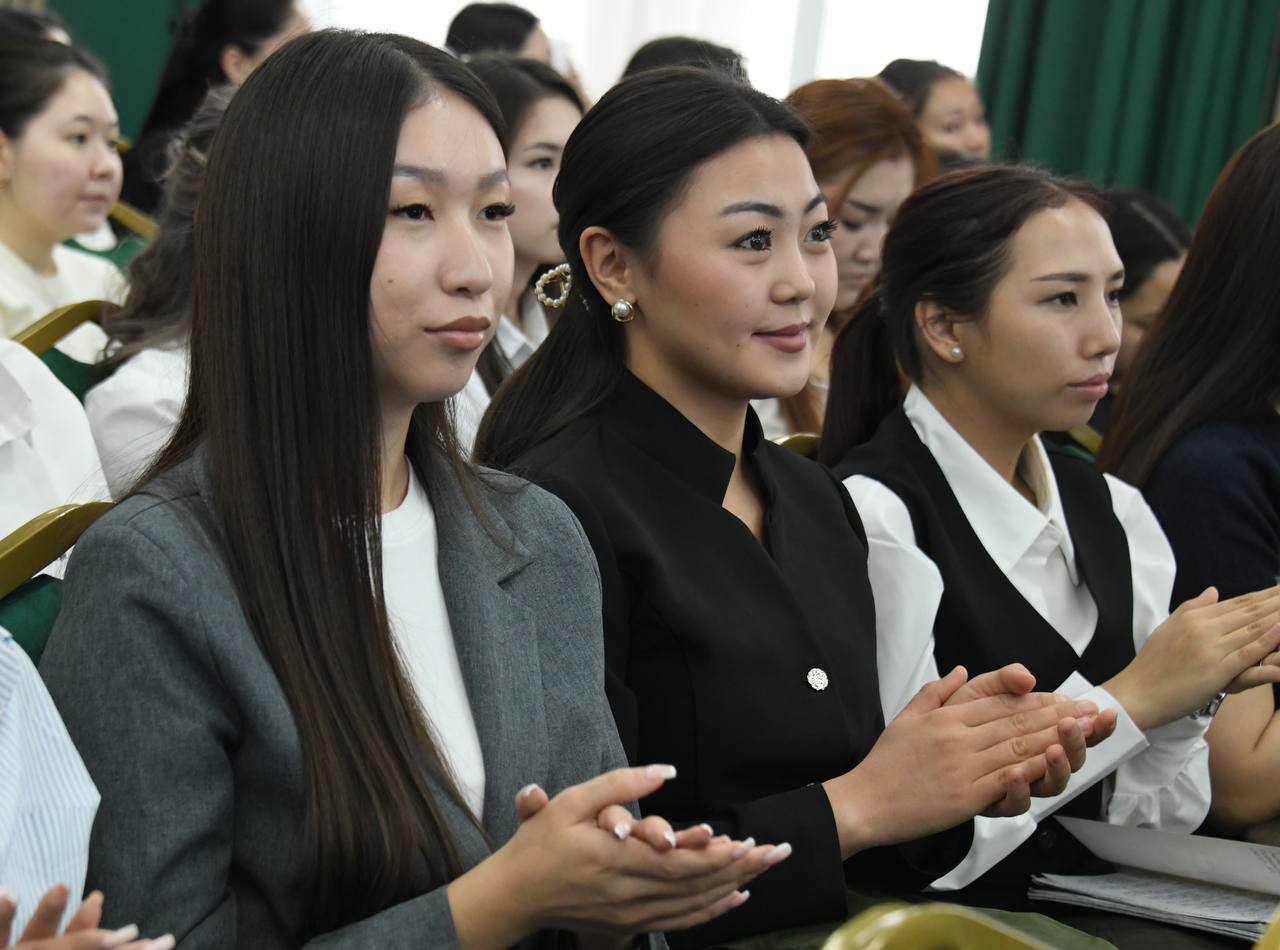
The Kazakh National Women's Teacher Training University hosted the 2nd China–Central Asia Symposium. The international academic event focused on strengthening academic ties between Kazakhstan, China and the countries of Central Asia, expanding research collaboration and discussing current issues in education.
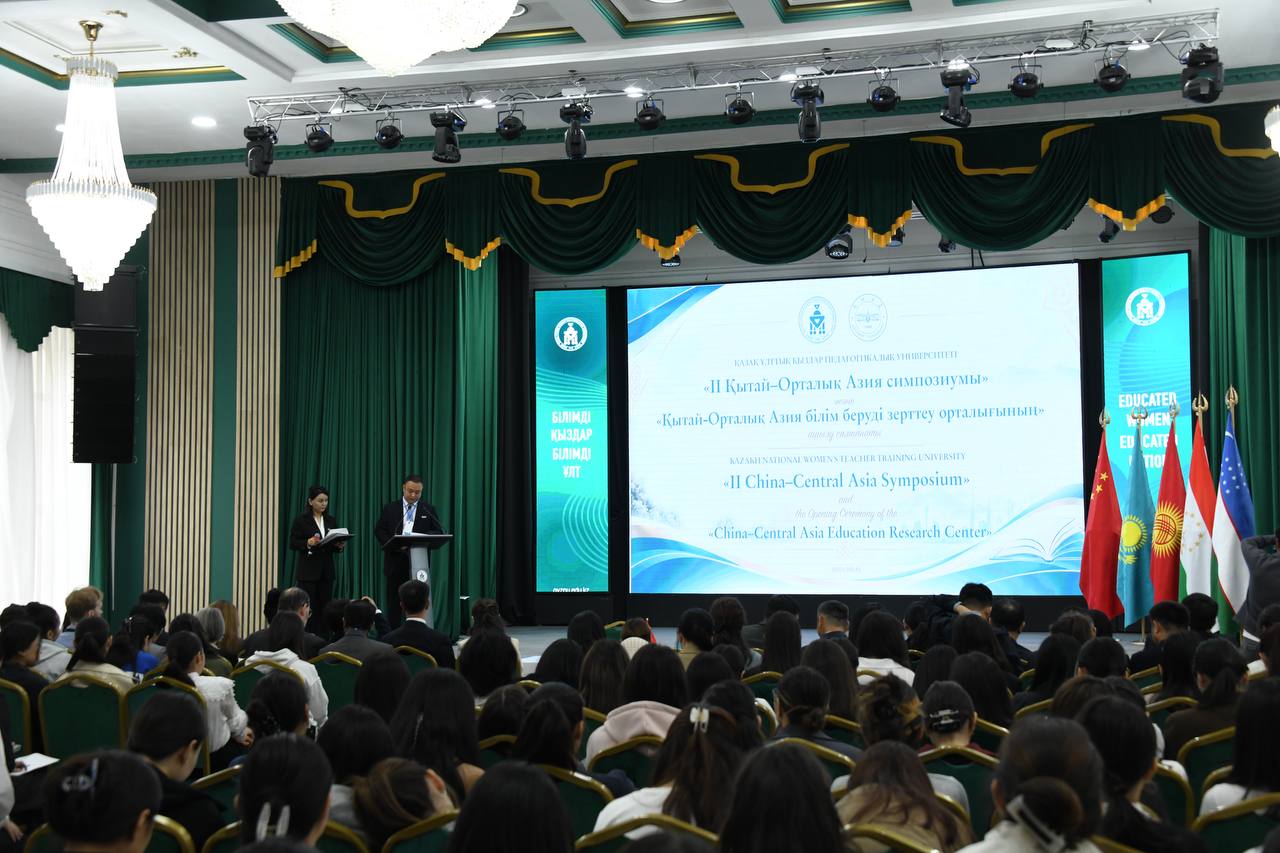
Participants included the leadership of QyzPU; Almasha Arenova, Head of the Political Group at the Representative Office of the Ministry of Foreign Affairs of the Republic of Kazakhstan in Almaty; Zhenisbek Tölen, Head of the Centre for Educational Sciences and Social Development at the National Academy of Sciences under the President of the Republic of Kazakhstan; Assel Nazarbetova, Head of the Almaty Representative Office of the Kazakhstan Institute for Strategic Studies under the President of the Republic of Kazakhstan; and representatives of leading higher education institutions in China and Central Asia.
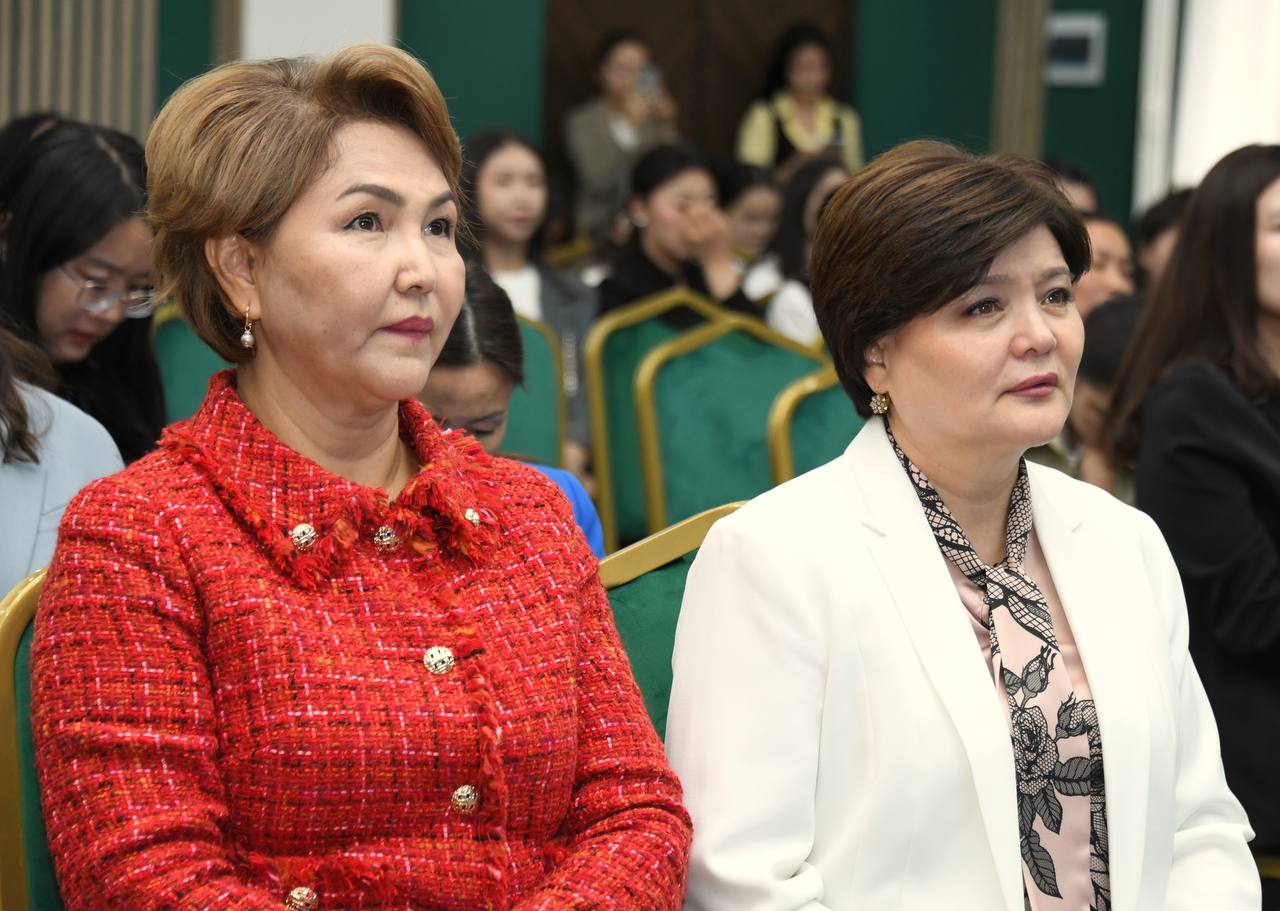
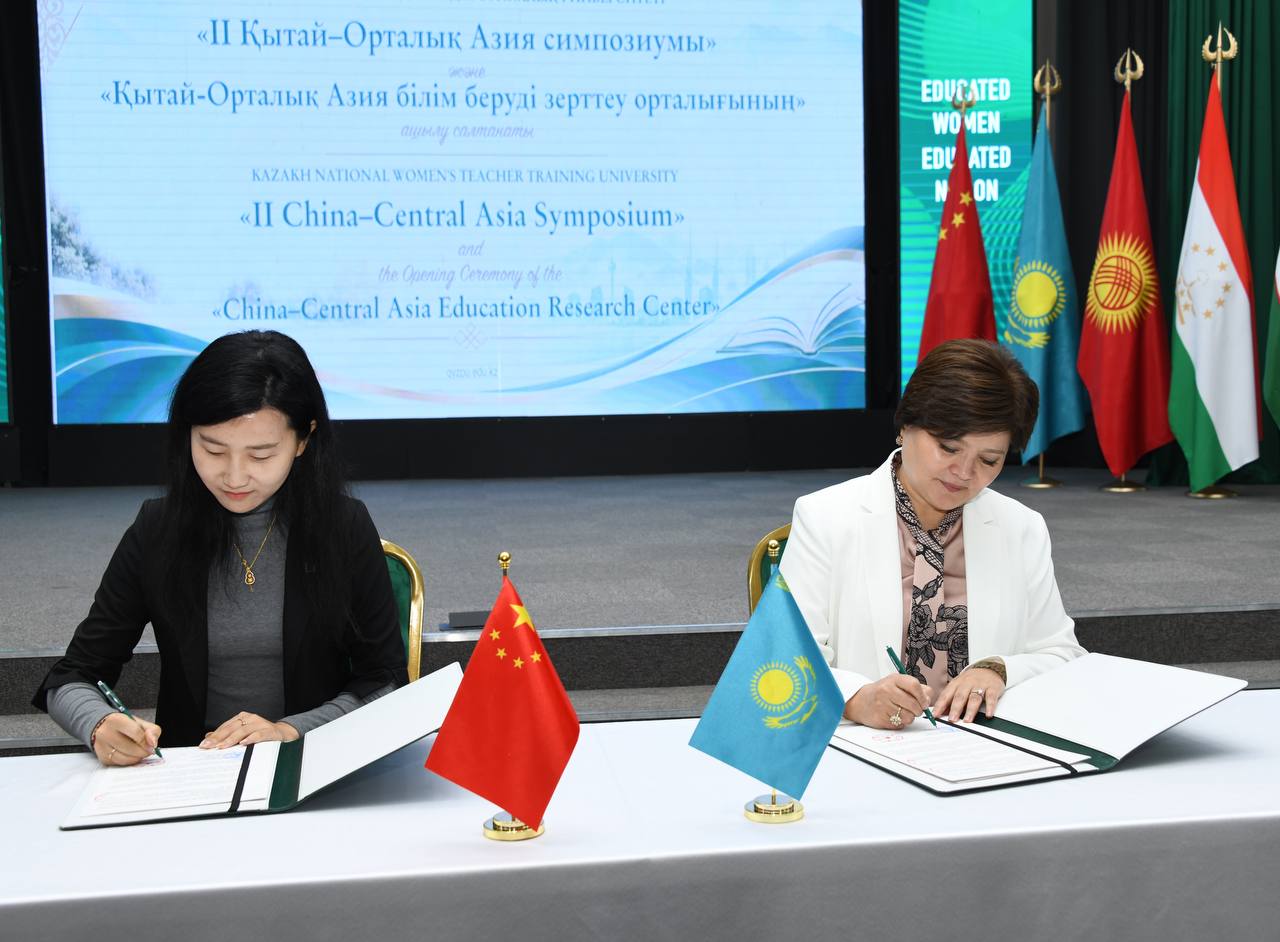
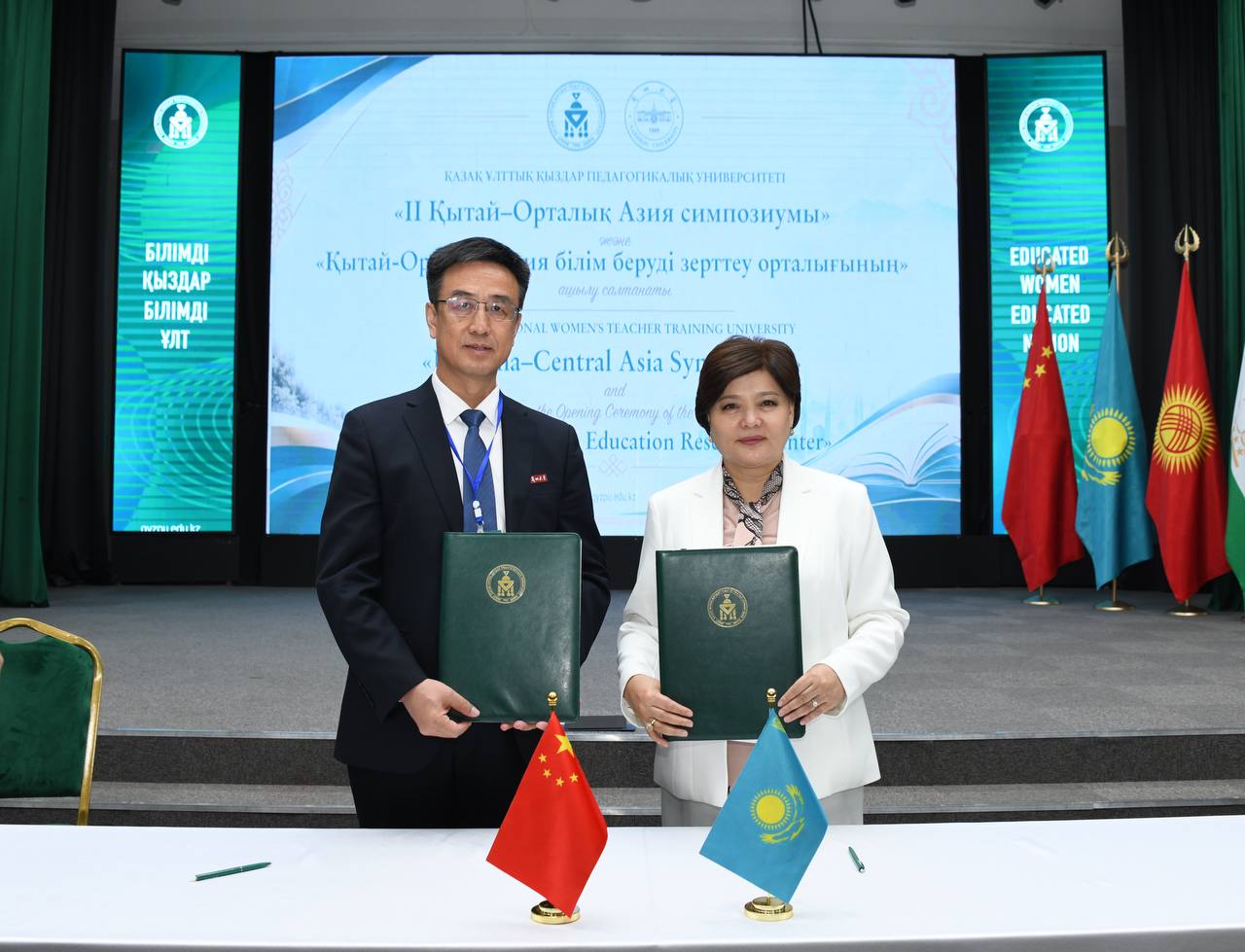
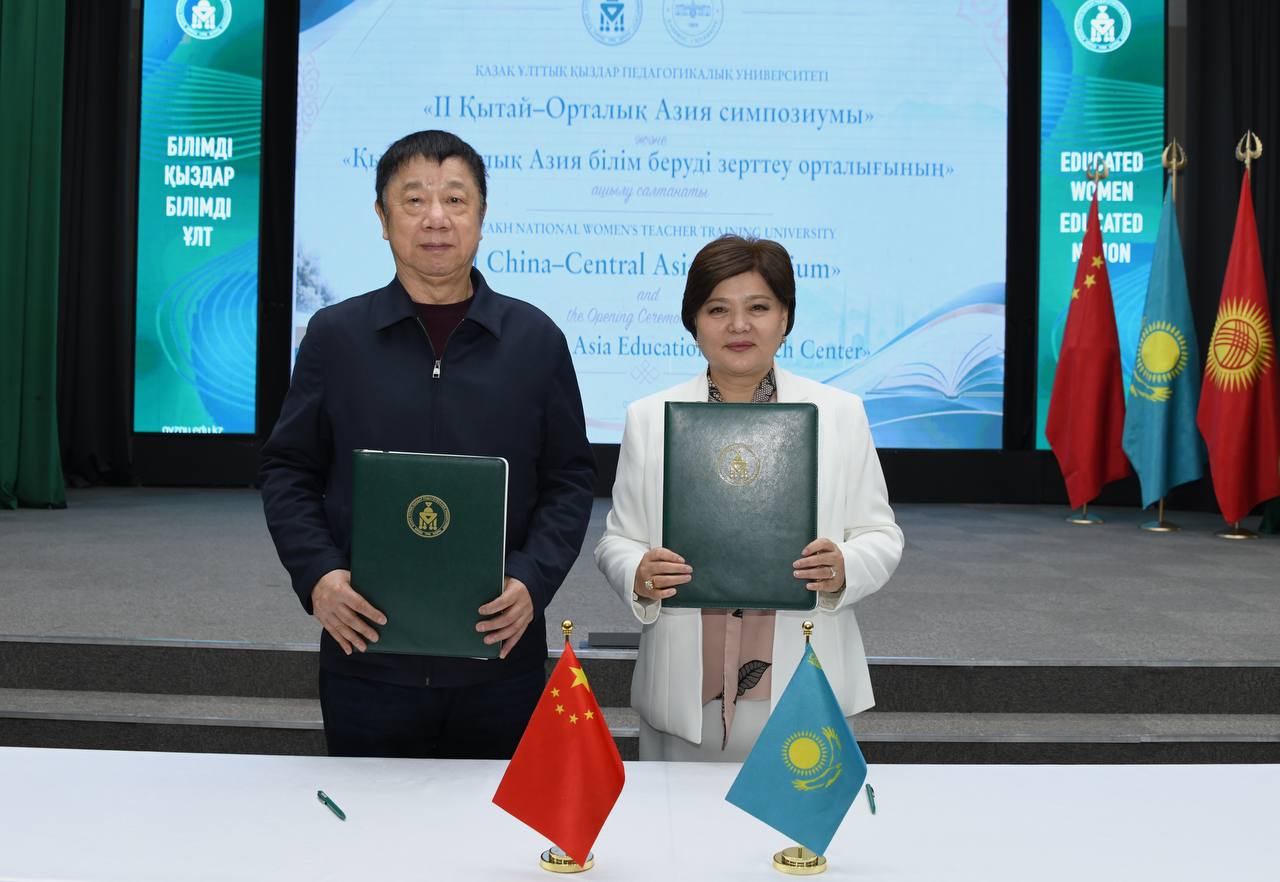
As part of the symposium, the China–Central Asia Centre for Education Research was officially opened as a joint initiative of the Kazakh National Women's Teacher Training University and Lanzhou University. The centre aims to conduct comparative studies of education systems across the region, foster academic links, facilitate the exchange of best practices and support joint research projects.
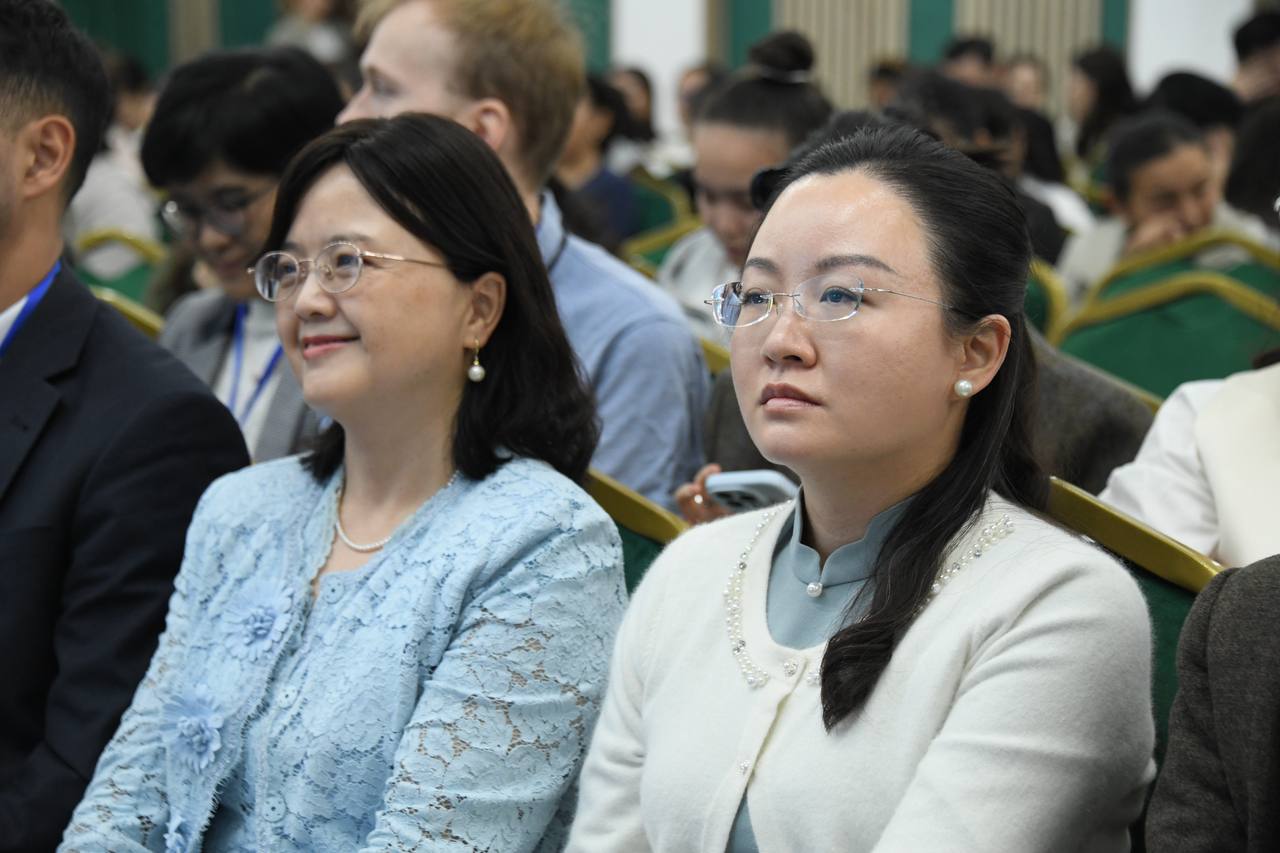
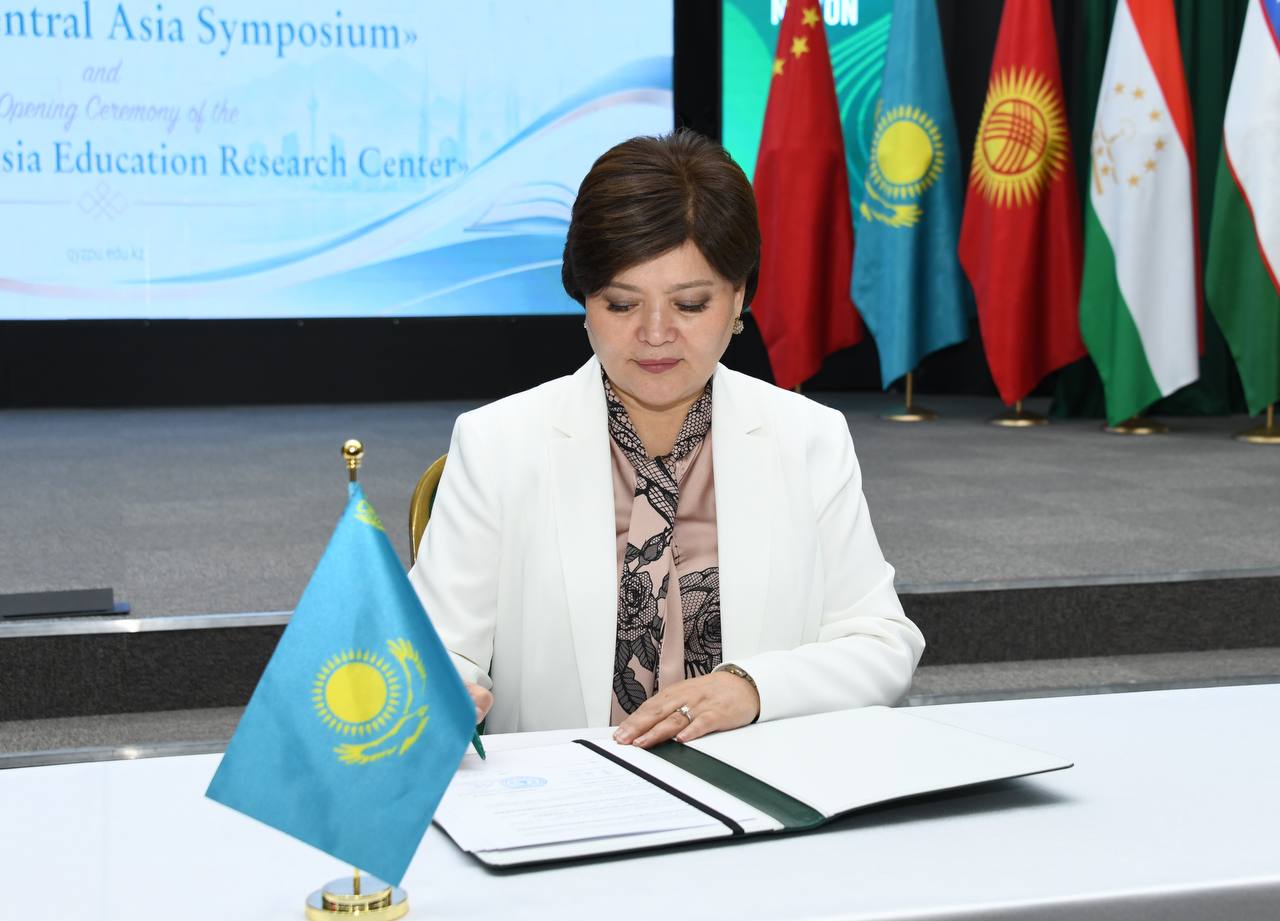
The agreement to establish the centre was signed by Beybitkul Karimova, Chair of the Board and Rector of QyzPU, and Yang Yongping, President of Lanzhou University.
Beybitkul Karimova noted that the opening of the centre would help deepen international academic cooperation, facilitate joint research projects and promote effective practices in education.
Yang Yongping, President of Lanzhou University, outlined the centre's key areas of activity. These include comparative studies of education systems, the integration of digital technologies and artificial intelligence into the educational process, research into effective higher education management models, and the advancement of educational innovation.
The symposium also saw the signing of memoranda of understanding between the Kazakh National Women's Teacher Training University and Qiqihar Institute of Engineering, as well as Xi'an Eurasia University. These agreements are intended to expand academic cooperation, strengthen research ties and provide a foundation for joint educational and research initiatives.
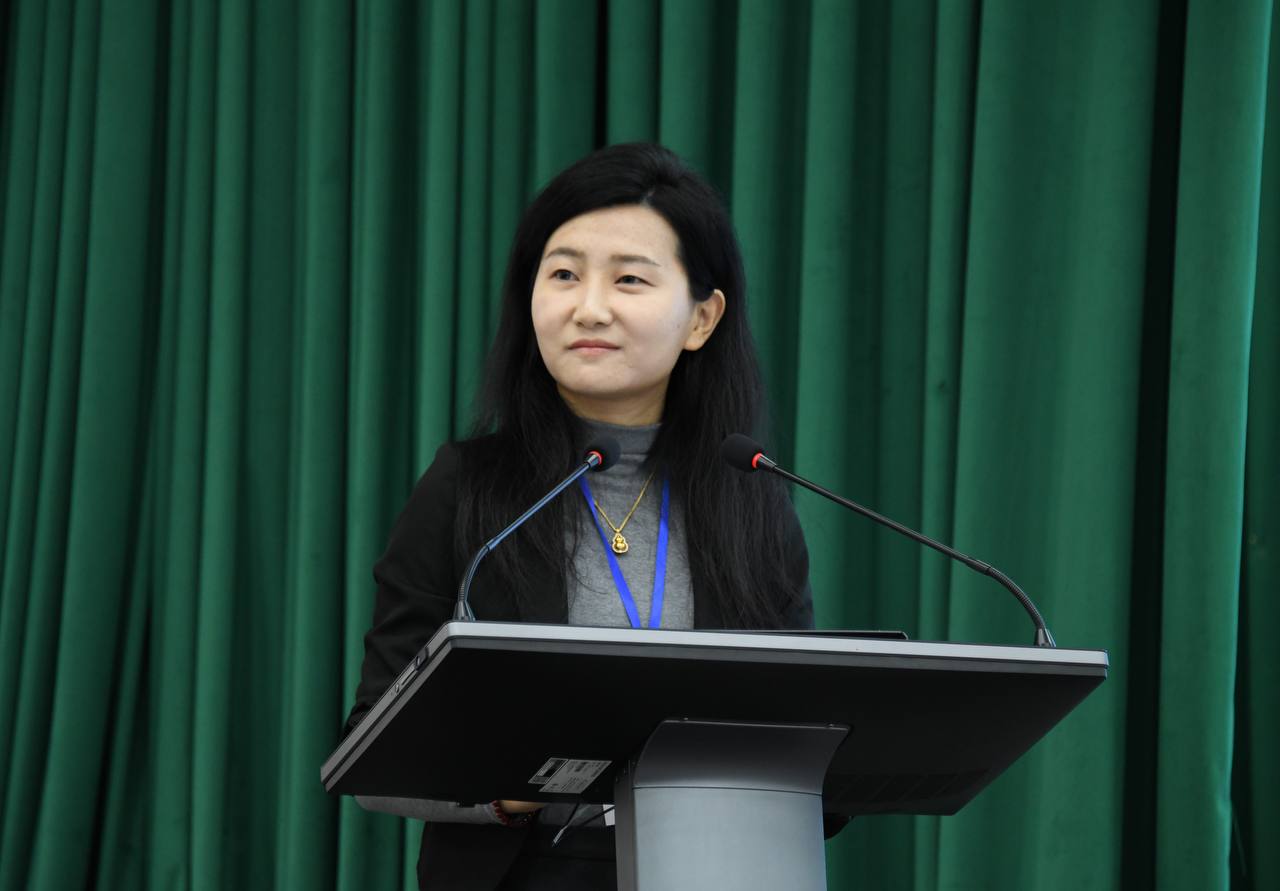
The academic programme featured presentations by representatives of the Hong Kong University of Science and Technology (Guangzhou), Qiqihar Institute of Engineering, Nosiri Khusrav Bokhtar State University, Turan University, Hangzhou Normal University, Abylai Khan Kazakh University of International Relations and World Languages, the Confucius Institute at Al-Farabi Kazakh National University, Xi'an Eurasia University and Lanzhou University.
Participants discussed digital and intelligent education, university governance, curriculum development, the digitalisation of educational processes, the skills required by IT professionals in the age of artificial intelligence, emerging trends in engineering education and the internationalisation of higher education.
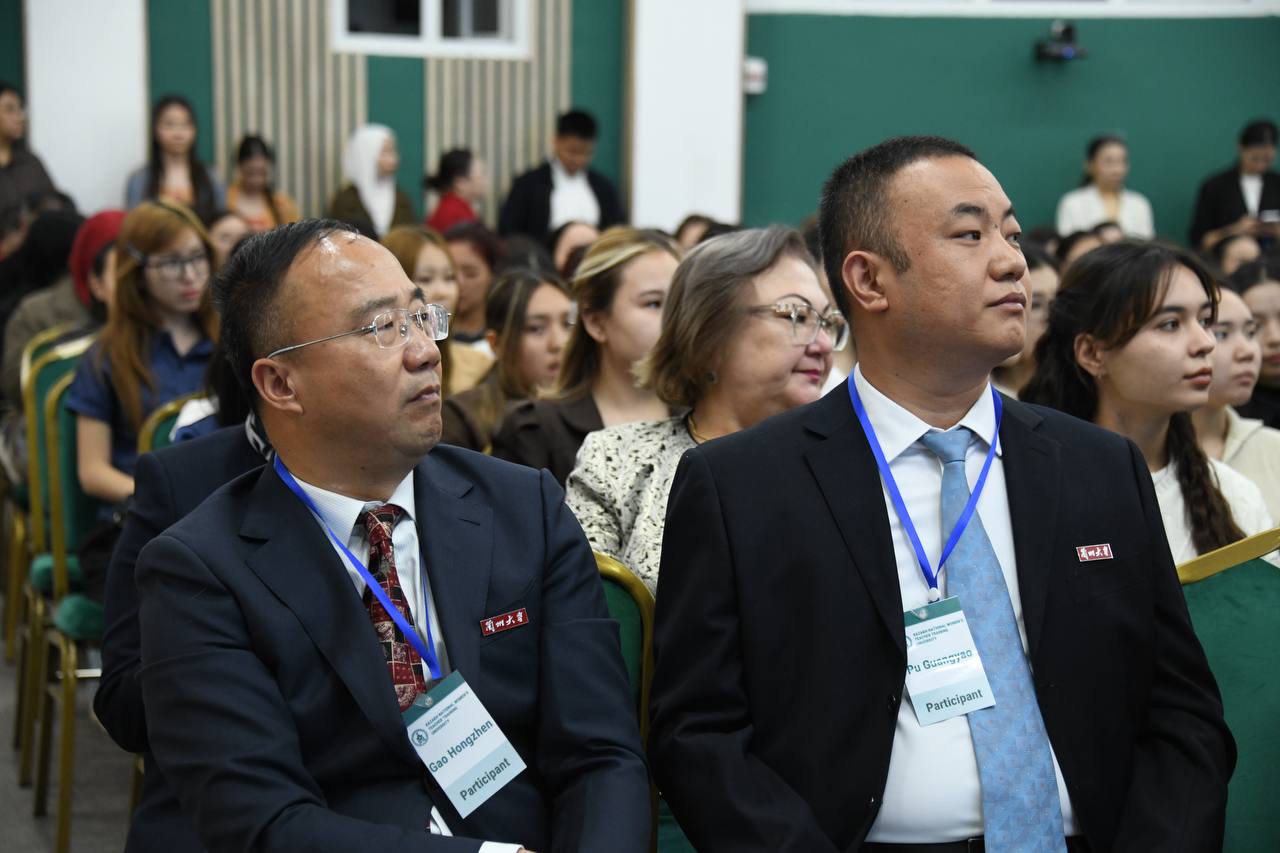
The symposium identified new opportunities to strengthen international academic ties, expand cooperation in education and research, and further develop partnerships among higher education institutions in Kazakhstan, China and the countries of Central Asia.